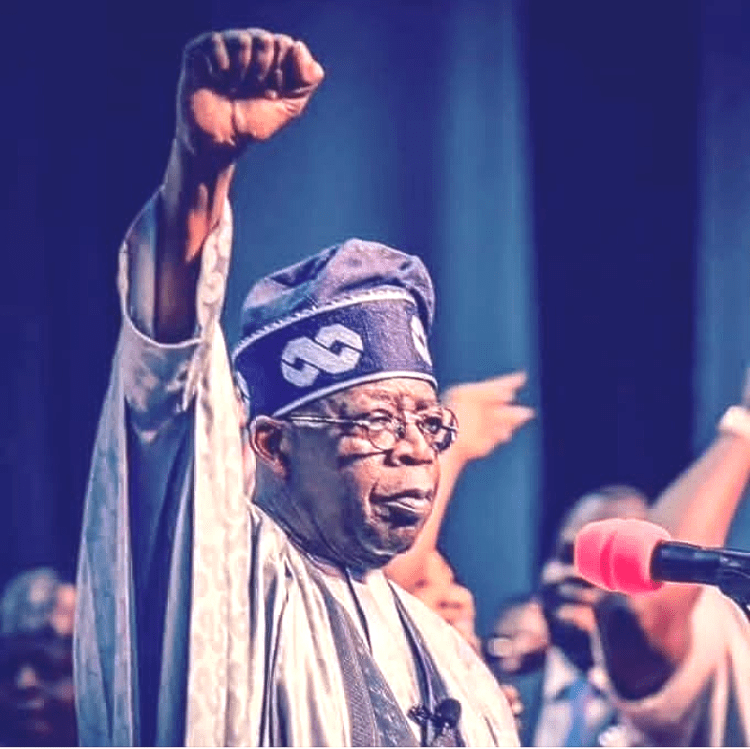
Nigeria’s 2025 Appropriation Bill, signed into law by President Bola Tinubu in February 2025, has sparked both hope and skepticism. Titled the “Budget of Restoration: Securing Peace, Rebuilding Prosperity,” it aims to reduce inflation from 34.6% to 15% and stabilize the exchange rate at ₦1,500 per US dollar (down from ₦1,700) and a base crude oil production assumption of 2.06 million barrels per day (mbpd). Let’s unpack the strategies, challenges, and expert opinions surrounding these ambitious targets. First on the list are the core objectives surrounding this budget:
1. Inflation Reduction
The budget projects a dramatic drop in inflation to 15%, which will be driven by increased agricultural output, local manufacturing of essential goods, and reduced reliance on imports. To back this, President Tinubu highlighted progress in 2024 with the following statement, “Fuel prices have gradually decreased, and we recorded foreign trade surpluses in three consecutive quarters. Foreign reserves have risen, and the Naira has strengthened against the US dollar, bringing greater stability.” However, critics argue that achieving a 20+ percentage point drop in one year is overly optimistic, given Nigeria’s structural challenges like reliance on imported goods and persistent insecurity affecting farming.
2. Exchange Rate Stability
The naira also projected improvement to ₦1,500/$1 which relies on reduced demand for dollars (due to lower petroleum imports) and increased foreign exchange inflows from oil exports and foreign investments. The government also cites the Dangote Refinery’s operational impact, which could cut fuel import costs . However, the 2024 average oil production of 1.49 million barrels per day (mbpd) fell short of targets, raising doubts about meeting the 2025 goal of 2.06 mbpd.
Strategic Pillars of the Budget
1.Agriculture and Food Security
According to reports, agricultural allocations aim to revive farming through subsidies and security improvements, targeting reduced food imports. However, bumper harvests and enhanced security are critical assumptions.
2. Infrastructure Development
Reports also assert that ₦4.06 trillion is earmarked for projects like the Lagos-Calabar Coastal Highway, expected to boost economic activity and job creation.
3. Debt Management
This is majorly everyone’s trigger: Debt servicing consumes ₦14.32 trillion (26% of the budget), overshadowing allocations for health (₦2.48 trillion) and education (₦3.52 trillion). As a result, analysts warn this could strain social spending.
4. Tax Reforms
Plans to increase VAT to 12.5% by 2026 (with exemptions for essentials) and aim to boost revenue, but risk burdening on low-income households.
Challenges and Skepticism About The 2025 Budget
1. Overly Optimistic Assumptions
Experts question the feasibility of oil production targets and inflation reduction. For instance, 2024’s inflation surged to 34.6% after subsidy removal and currency reforms, worsening living costs. Deloitte also notes that a 15% inflation rate conflicts with Nigeria’s economic realities, such as import dependency and weak manufacturing.
2. Debt Overhang
As debt servicing now exceeds combined allocations for defense, health, and education, Tilewa Adebayo of CFG Advisory calls this a “red flag,” as it limits funds for growth-critical sectors.
3. Implementation Risks
Nigeria has a history of undelivered past budgets due to poor execution and Economic expert Prof. Kabir Dandago (Bayero University, Kano) warns that without transparency, the 2025 budget could follow the same path.
4. Human Impact
Previous reforms, like fuel subsidy removal, led to soaring prices and reduced purchasing power. Small businesses, like Janet Omole’s fish stall, as observed by foreignpolicy.com, now struggle to survive, highlighting the gap between macroeconomic goals and grassroots realities. This is so on point with the words of Economic expert Prof. Kabir Dandago (Bayero University, Kano) who notes that if this prediction fails, existing poverty and hardship will deepen.
Sources: bbc.com nairametrics.com foreignpolicy.com proshare.co deloitte.com punch.ng channelstv.com vanguardngr.com rommiroyalnews
What is the Path Forward? Share your thoughts in the comment section.
 The Naija Lowdown Writer