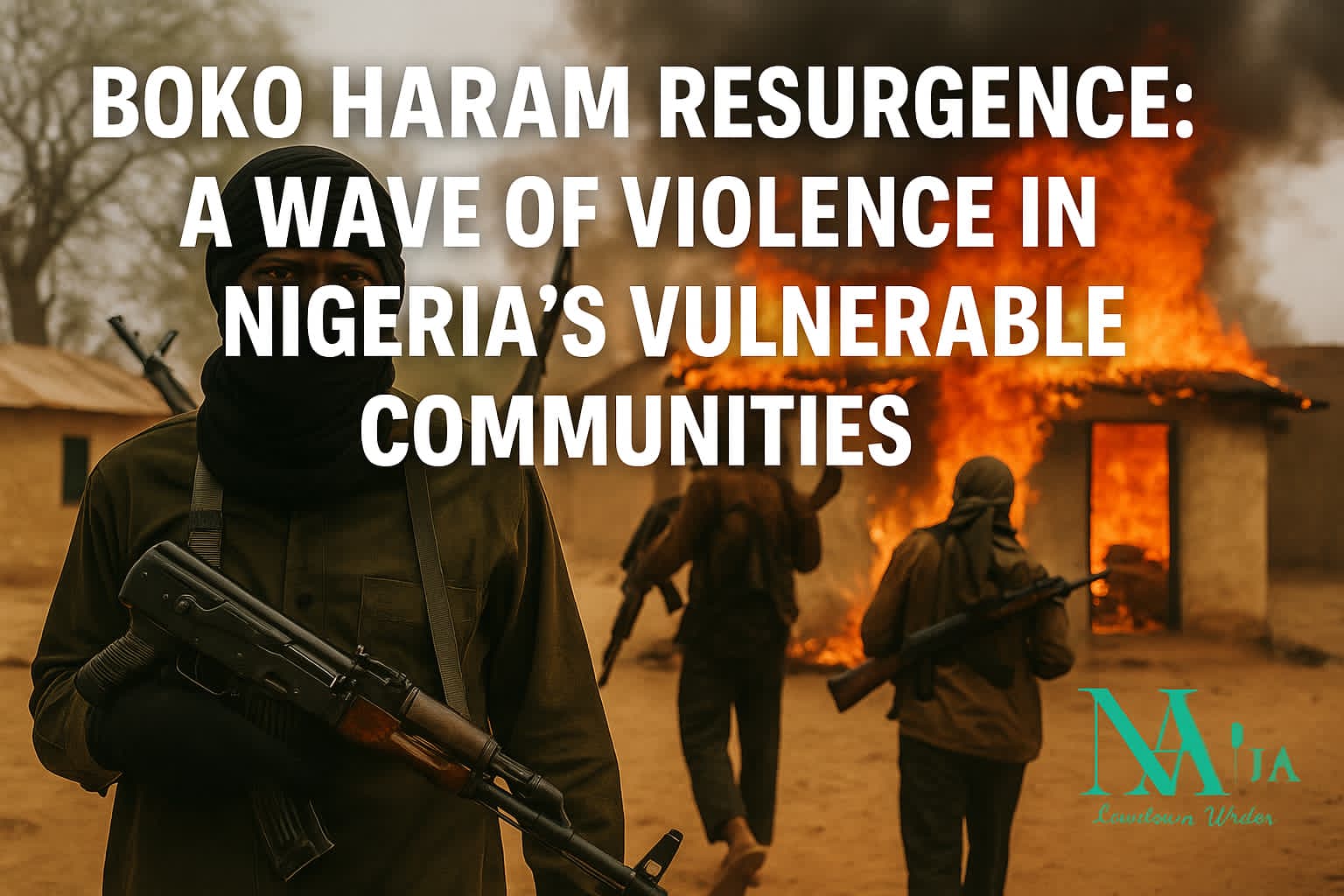
Nigeria’s long-standing battle against Boko Haram has taken a grim turn in recent months, with the jihadist group escalating attacks in the northeast and targeting religious leaders in the Kaduna region. From fierce military confrontations to the abduction and murder of clergies, these events depicts the persistent insecurity plaguing the country. Here’s an in-depth look at the latest Bokoharam incidents and its impact on the country and her citizens.
1. The Damboa Attack
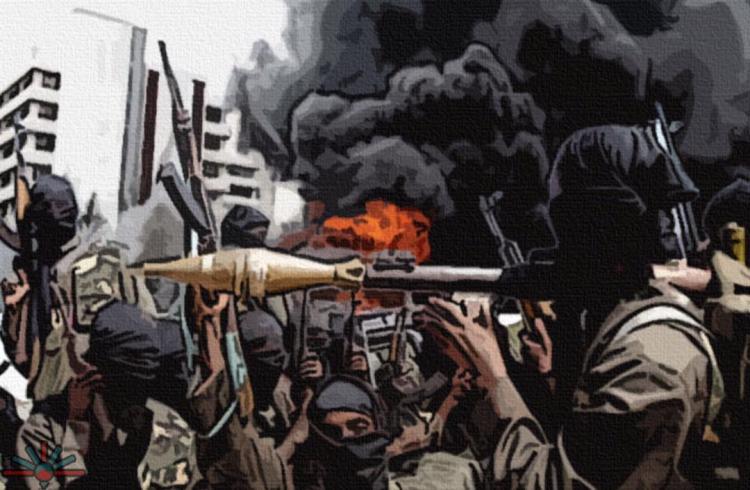
As reported by BBC News, a brazen assault on security forces was launched by the Boko Haram militants, resulting in a clash with Nigerian soldiers in January, at Damboa, Borno State, leaving at least 20 Nigerian soldiers and 40 farmers dead. This attack aligns with the warnings by Borno Governor Babagana Zulum, who recently cautioned that the group is regrouping and reclaiming territory in the northeast. This was disclosed in a national security meeting where he admitted that their militancy is “loosing ground” to this insurgents. To back this up, security analysts also attributed this resurgence to reduced military presence in the region, as troops are diverted to combat banditry in northwestern states. Additionally, Analyst Hamisu Sani added that chances of defeating the Bokoharam may look slim but not impossible. “The solution would be to crush the fighters in their entirety – which is possible given the right support to our military.” He proposed.
The attack also reflects Boko Haram’s renewed focus on destabilizing rural communities. Amnesty International has documented similar atrocities, including the execution of farmers and fishermen in Borno, as part of the group’s strategy to terrorize civilians and undermine governance. According to Amnesty International, “our findings show that Boko Haram rounded up the farmers and fishermen, separated the men and shot them at close range. Those who attempted to flee were pursued and killed while dozens more were injured. A search for dead bodies is still ongoing while a mass burial is being planned for those killed.”
2. The Killing of Rev. Sylvester Okechukwu

On March 4, 2025, Rev. Sylvester Okechukwu, a Catholic priest in Kaduna’s Kaura County, was abducted from his home and found dead the following day. On this case, The U.S. Mission in Nigeria condemned Okechukwu’s killing as a “horrific act of violence,” in a statement uploaded on its official X account, while advocacy groups like Amnesty International criticized the government’s failure to protect vulnerable communities. It is important to reiterate that his murder is part of a disturbing trend. In Nigeria, over 145 priests have been kidnapped since 2015, with 11 killed and 4 still missing. Kaduna State in particular, a hotspot for religious violence, has seen 24 priest abductions and seven killed since 2015, a grim reflection of both extremist activity and communal tensions.
3. The Release of Rev. Ibrahim Amos

Amid the despair, the Catholic Diocese of Kafanchan announced the safe release of Rev. Ibrahim Amos, a priest kidnapped in April 2024 during a midnight raid in Kaduna. His freedom, secured through combined efforts of security agencies and local vigilantes, highlights the precarious balance between resilience and vulnerability. However, his rare case remains an exception as most abductions end in ransom payments or tragedy.
Bokoharam Evolution and Its Impact
Boko Haram’s tactics have evolved since its 2002 founding. Under new leader Bakura Doro (who took charge in 2022), the group has shifted from territorial control to asymmetric warfare, including kidnappings and raids. Its split with the Islamic State West Africa Province (ISWAP) in 2016 further fragmented the insurgency, complicating counterterrorism efforts. As a result, the humanitarian toll remains staggering. According to Wikipedia, reported records show that;
1. 2.3 million displaced since 2013, with thousands fleeing to neighboring countries.
2. Over 300,000 children have been killed in attacks.
3. Food crises has exacerbated in the country due to the targeting of farmers and supply routes.
To combat these, religious organizations like the Christian Association of Nigeria (CAN) and the Catholic Bishops’ Conference have repeatedly urged stronger government intervention. Meanwhile, Amnesty International emphasizes accountability, demanding justice for victims of Boko Haram’s war crimes. Governor Zulum’s plea for military reinforcement also highlight the need for a more intense strategy.
Source: bbc.com amnesty.org vaticannews.va punch.ng punch.ng persecution.org en.wikipedia.org
To be candid, Nigeria’s struggle against Boko Haram is far from over. As years take turns, the Bokoharam capacity for violence endures. Protecting civilians, prosecuting perpetrators, and addressing systemic inequalities are critical to breaking the cycle of this unending conflict.
 The Naija Lowdown Writer