
Almost Every Nigerian Can Relate…
If you’ve ever heard the saying “Naija no dey carry last,” you know it’s more than just a catchphrase, it’s a survival code. Living in Nigeria is a daily test of resilience, and science has actually backed up just how tough it can be. From the air you breathe to the roof over your head, every day throws a new challenge your way. Here are five ways research has shown that living in Nigeria is not for the faint-hearted.
1. Challenges of Urban Life and Health

Waking up in a bustling Nigerian city means bracing yourself for a barrage of urban challenges. Scientific reviews have revealed that rapid urbanization in Nigeria has led to a host of health crises, especially among the urban poor. People contend with inadequate access to safe water, poor sanitation, heaps of solid waste, and hazardous roads. The air is thick with dust and vehicle fumes, while the double burden of infectious and chronic diseases keeps hospitals busy. As one review put it, “urban poverty is the most important predictor of environmental health risks,” and the daily grind in cities like Lagos means facing risks that can chip away at your well-being if you’re not tough enough to weather them.
2. Income Inequality and Healthcare Access
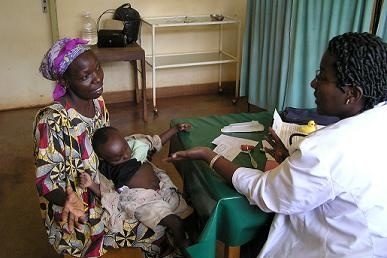
When it comes to healthcare, the gap between the haves and the have-nots in Nigeria is wide and deeply felt. Scientific analysis shows that income inequality and inadequate funding in the health sector have made access to medical care a “precarious balancing act.” For many, especially those with lower incomes, getting proper treatment is a struggle, leading to compromised health outcomes. As highlighted in a recent report, “Lower-income individuals, in particular, encounter obstacles in accessing medical care, leading to compromised health outcomes.” This means that only the resilient can navigate the system and come out healthy on the other side.
3. Environmental Hazards and Pollution

Let’s talk about the air and water, the two things you can’t live without. Studies have shown that economic development in Nigeria has come at a steep environmental cost. Oil spills, industrial pollution, and deforestation have left communities grappling with polluted water, toxic air, and vanishing forests. For instance, oil spills in the Niger Delta have destroyed aquatic ecosystems and contaminated farmland, while unchecked industrial growth has led to “toxic chemical discharge into drains and open sewers in cities such as Lagos and Kano.” Living in these conditions means developing a thick skin and a strong constitution just to stay healthy.
4. Housing Conditions and Everyday Health
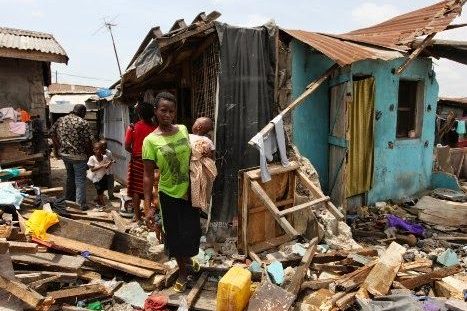
Your home should be your safe haven, but in many parts of Nigeria, that’s not always the case. Research in rural areas has linked poor housing conditions to a rise in respiratory illnesses like asthma, pneumonia, and bronchitis. Factors such as lack of safety, poor ventilation, overcrowding, and inadequate sanitation all contribute to ill health. One study found that “housing conditions were measured using six broad variables: safety/security, indoor temperature controls/ventilation, hygiene/sanitation, building condition, environmental quality and crowding,” and each of these can make daily living a real test of endurance.
5. Mental and Emotional Stress
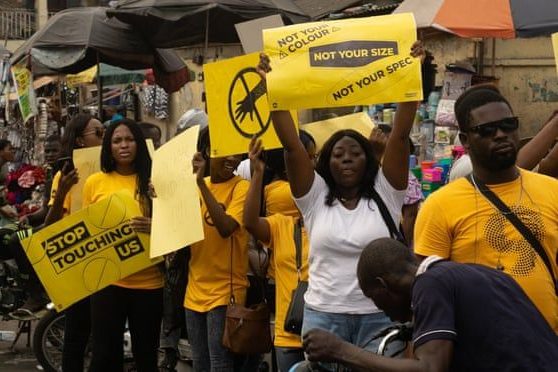
Beyond the physical, living in Nigeria tests your mental and emotional strength; which can adversely affect the growth of children. Scientific studies among caregivers of chronically ill children in Nigeria have highlighted the emotional toll of daily life. Functional limitations, sexual harassment, domestic abuse, parental distress, and the emotional strain of managing health challenges are common themes. As one study concluded, “oral symptoms, functional limitations, and parental distress outweighed emotional well-being in impacting a child’s oral health quality of life.” This shows that the emotional resilience required to cope with both personal and family health issues is a significant part of the Nigerian experience.
So, if you’re thriving in Nigeria, science says you’re not just lucky, you’re resilient. The daily hustle, the environmental challenges, the health system hurdles, and the emotional load all add up to a life that’s not for the weak.
If you’ve got your own stories of survival, share them below, and let’s keep the conversation going. Don’t forget to subscribe for more real-life insights and stories that hit close to home!
 The Naija Lowdown Writer