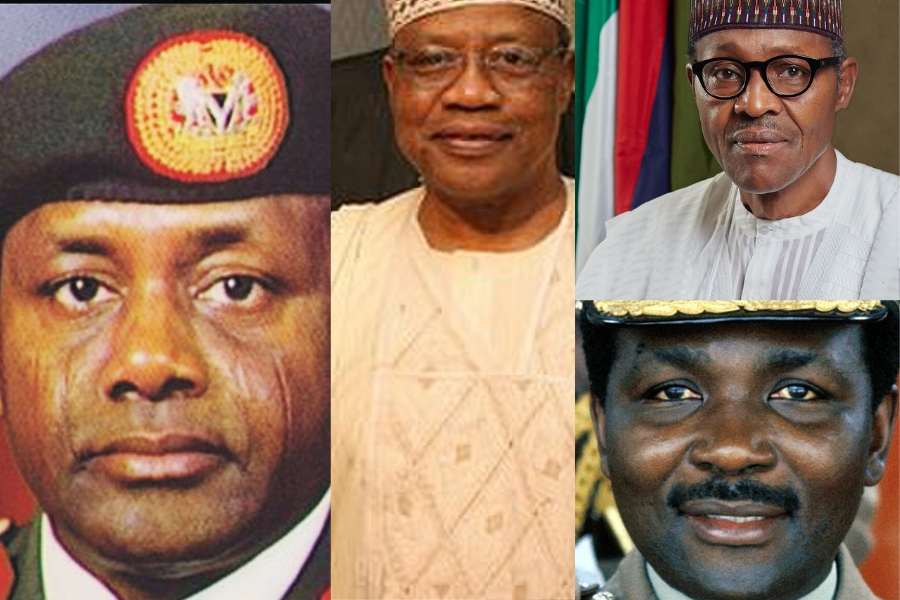
Nigeria’s history is marked by periods of military rule, some of which were characterized by severe repression and authoritarian governance. Among the numerous leaders, a few stand out for the particularly harsh nature of their regimes. This listicle explores four Nigerian heads of state whose tenures are often remembered for their brutality and the lasting impact on the nation’s political and social fabric.
1. General Sani Abacha (1993–1998): The Iron Fist of Nigeria
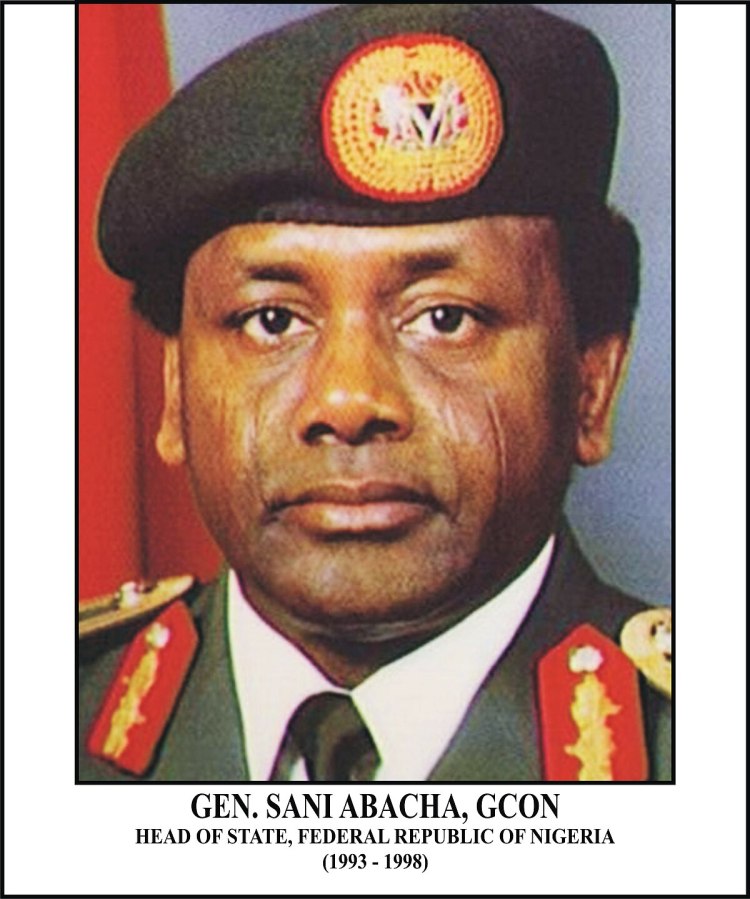
General Sani Abacha’s regime is often cited as one of the most repressive in Nigeria’s history. Ascending to power in 1993, his rule was marked by widespread human rights abuses, suppression of dissent, and significant corruption. Abacha’s government detained numerous political opponents and journalists without trial, and was implicated in several high-profile assassinations, including that of activist Ken Saro-Wiwa. Internationally, Nigeria became a pariah state under his leadership, facing sanctions and condemnation.
Economically, while some credit his administration with stabilizing the exchange rate and reducing inflation, these achievements were overshadowed by massive embezzlement. Estimates suggest that Abacha and his associates siphoned off between $2 to $5 billion from the national treasury. His sudden death in 1998 led to a transition towards civilian rule, marking the end of a dark chapter in Nigeria’s governance.
2. General Ibrahim Babangida (1985–1993): The Maradona of Nigerian Politics
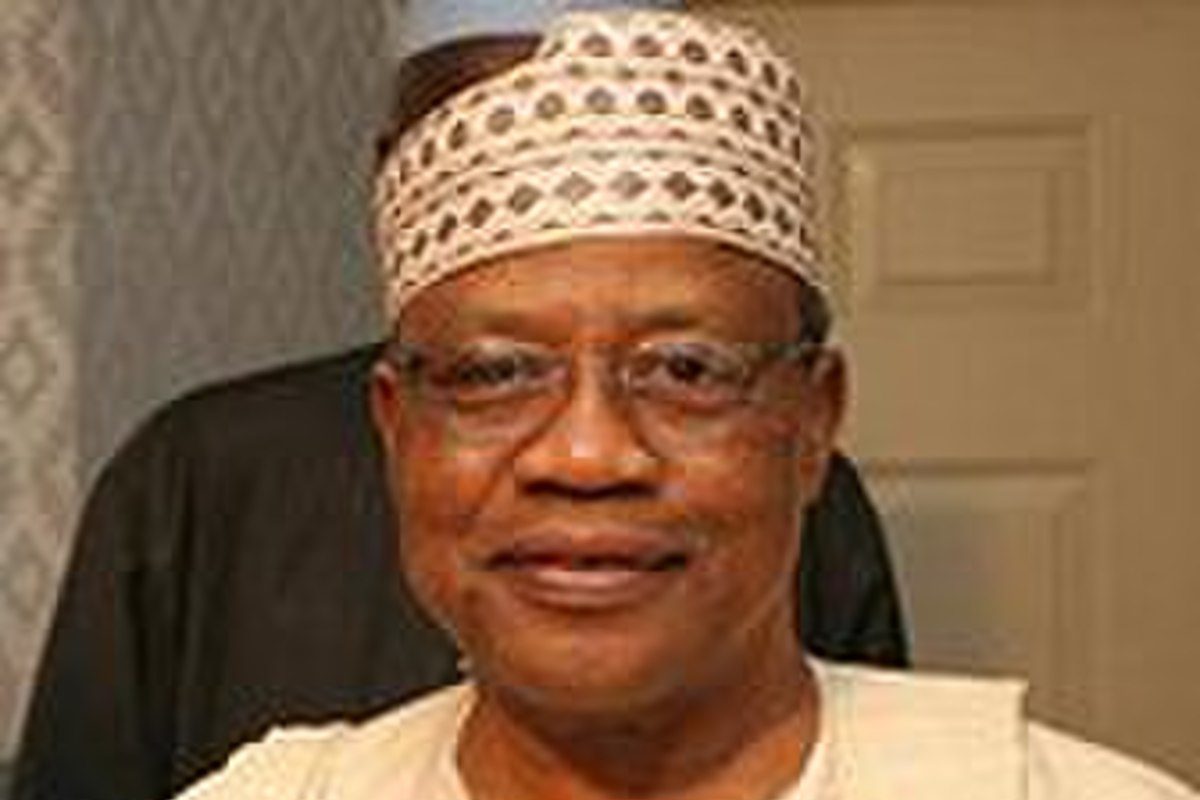
General Ibrahim Babangida, often referred to as “IBB,” ruled Nigeria with a blend of political cunning and authoritarian control. His tenure saw the introduction of structural adjustment programs that led to economic hardship for many Nigerians. Babangida’s regime was also marked by human rights violations, including the execution of coup plotters and suppression of the press. The mysterious death of journalist Dele Giwa via a parcel bomb remains one of the most notorious incidents of his rule.
Perhaps the most controversial act of Babangida’s leadership was the annulment of the 1993 presidential elections, widely regarded as the freest and fairest in Nigeria’s history. This decision led to widespread unrest and is seen as a significant setback for Nigeria’s democratic development. Babangida’s legacy is a complex mix of political manipulation and authoritarianism, leaving a lasting impact on the nation’s trajectory.
3. Major General Muhammadu Buhari (1983–1985): The Disciplinarian

Before his later election as a civilian president, Muhammadu Buhari’s initial tenure as a military ruler was characterized by a strict approach to governance. His administration launched the “War Against Indiscipline,” aiming to instill order but often resulting in public humiliation and harsh punishments for minor infractions. Journalists and political opponents faced detention without trial, and the regime was known for its disregard for human rights.
Buhari’s government enacted decrees that curtailed freedoms and allowed for the detention of individuals without due process. While some praised his anti-corruption stance, the methods employed were often draconian. His regime’s heavy-handedness led to his overthrow in 1985, but the period left an indelible mark on Nigeria’s collective memory.
4. General Yakubu Gowon (1966–1975): The Civil War Commander
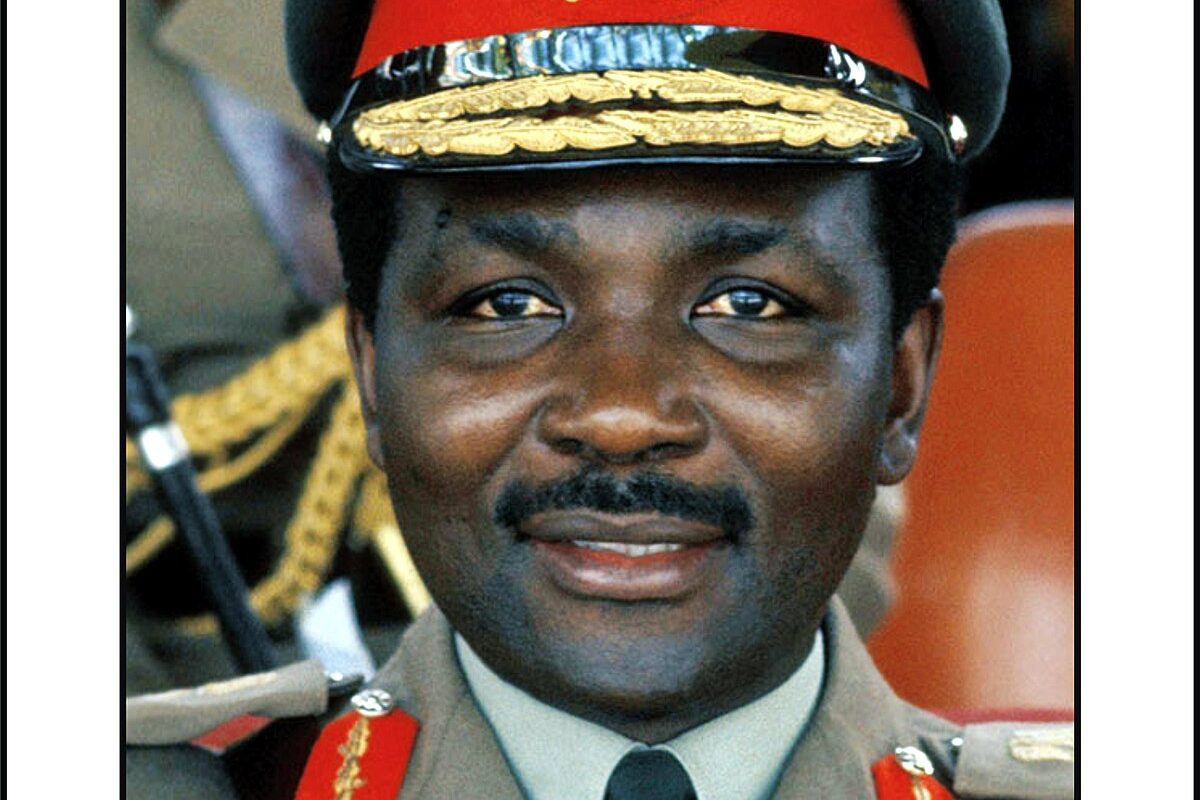
General Yakubu Gowon led Nigeria through one of its most tumultuous periods, the Nigerian Civil War (1967–1970). While his leadership aimed to preserve national unity, the war resulted in significant loss of life and allegations of human rights abuses. The blockade of the secessionist Biafra region led to widespread famine, with images of starving children drawing international condemnation.
Post-war, Gowon’s administration faced criticism for its handling of reconciliation and reconstruction efforts. Despite initiating the “No Victor, No Vanquished” policy, many felt that the underlying issues that led to the conflict were not adequately addressed. His eventual overthrow in 1975 marked the end of a complex and controversial chapter in Nigeria’s history.
 The Naija Lowdown Writer