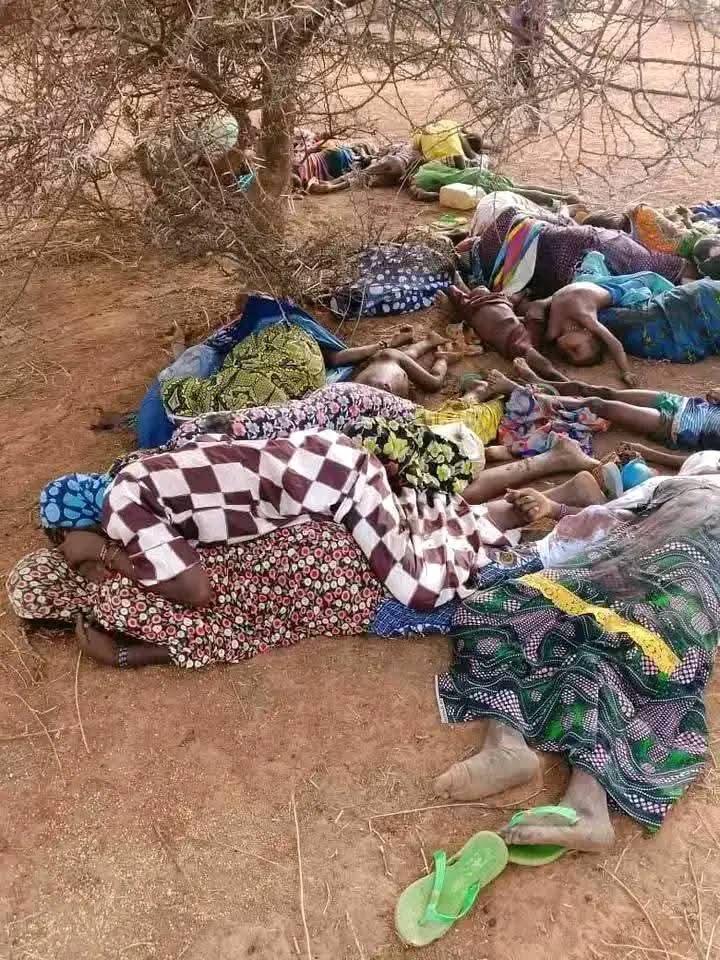
The recent Fulani herdsmen attacks in Benue State have left many Nigerians heartbroken, angry, and searching for answers. The violence is not new, but the scale and brutality of the latest incident have shocked even those used to grim headlines from the Middle Belt. Here’s a deep dive into what’s been happening, how it unfolded, and why the situation keeps repeating itself.
The Start of the Herdsmen Attacks in Benue
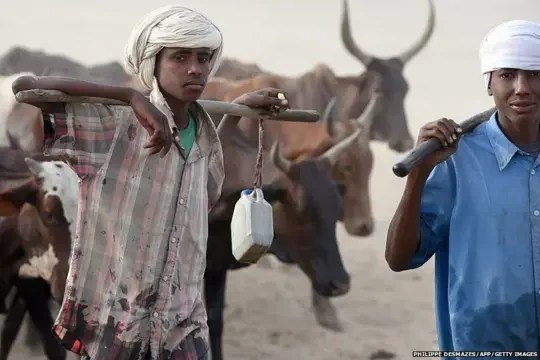
The conflict between Fulani herdsmen and farming communities in Benue State dates back to at least 1999, as part of a broader herder-farmer crisis across Nigeria. Tensions over land use, grazing rights, and ethnic differences have fueled cycles of violence for decades, with Benue often at the epicenter. The situation escalated dramatically in 2016 when herdsmen laid siege to several villages in Agatu LGA, resulting in hundreds of civilian deaths. Since then, attacks have continued intermittently, with each new incident adding to a mounting toll of loss and displacement.
How Many Times Have They Struck and the Human Cost
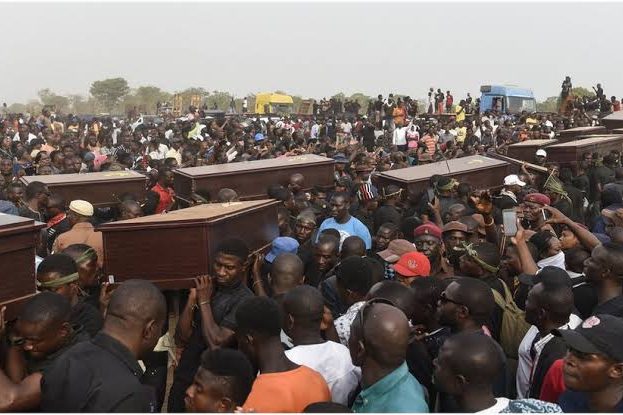
Benue has seen repeated attacks, sometimes just weeks apart. For instance, in June 2021, suspected Fulani herdsmen killed at least 40 people in Odugbeho village, Agatu LGA. Only a week before, 36 Tiv civilians were killed in Shikaan Mbagena Kpav, also in Benue. The violence is relentless: in April 2022, over 25 people were killed in a series of coordinated attacks on villages in Guma LGA. Fast forward to June 2025, and the numbers are staggering again, over 100 people feared dead in fresh attacks on Yelewata and Daudu communities, with dozens more injured or missing. Amnesty International has described the latest incident as one of the deadliest in recent memory, with entire families wiped out and communities left in ruins.
The Most Recent Attack: How It Happened
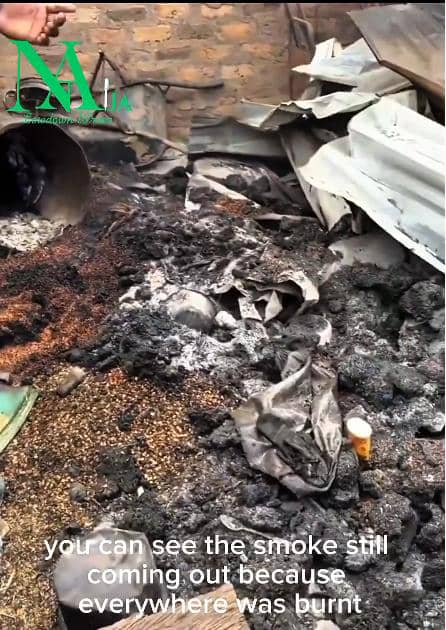
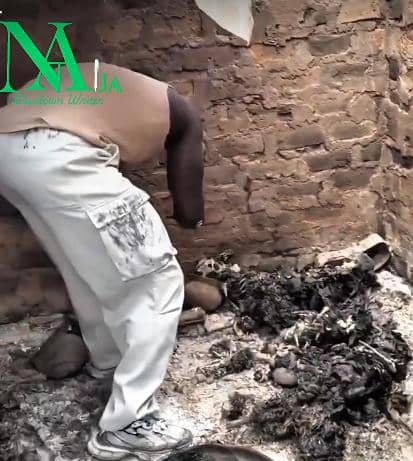
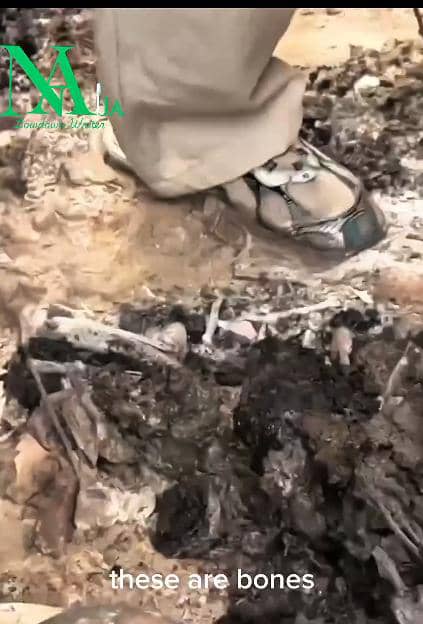

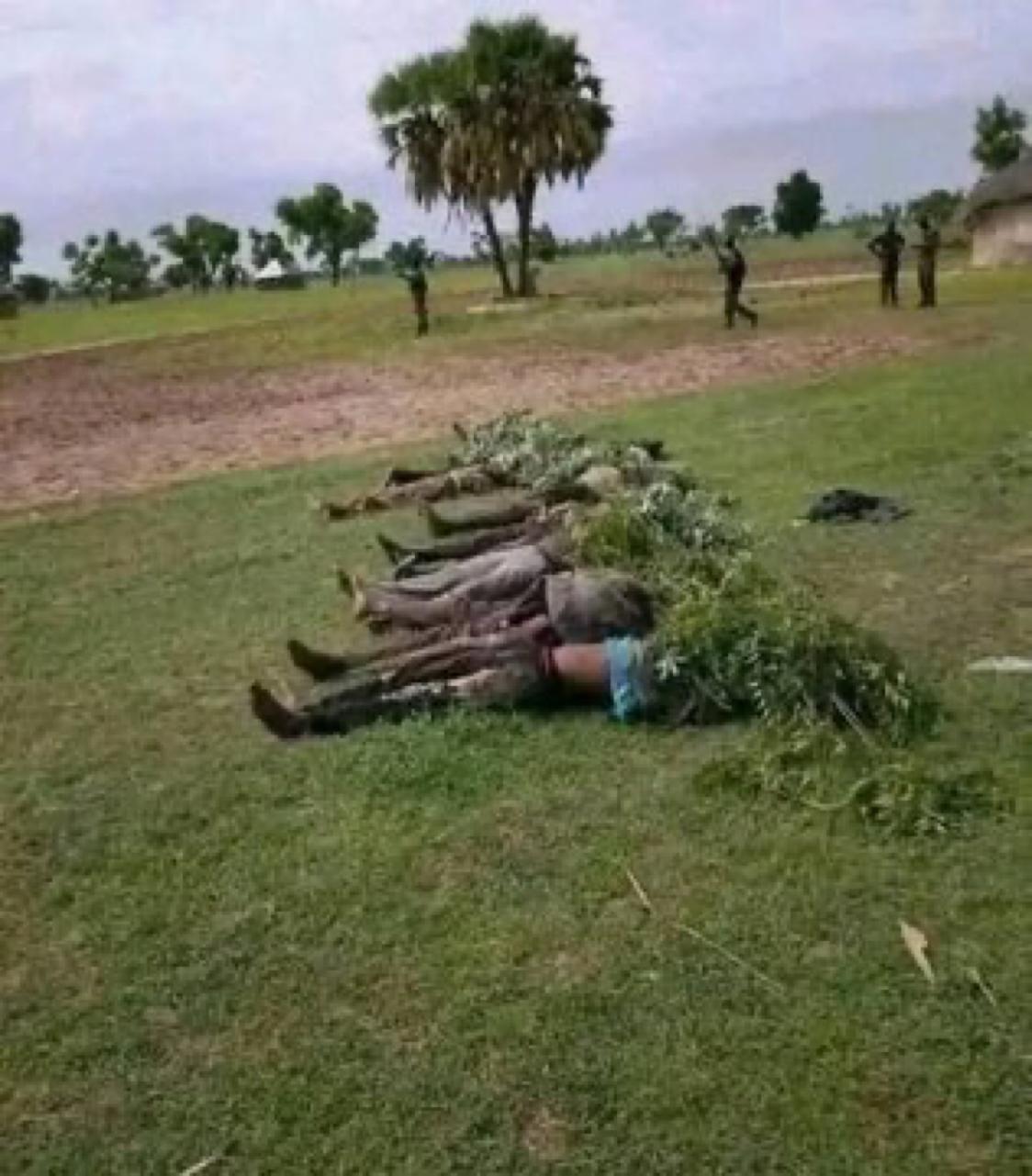
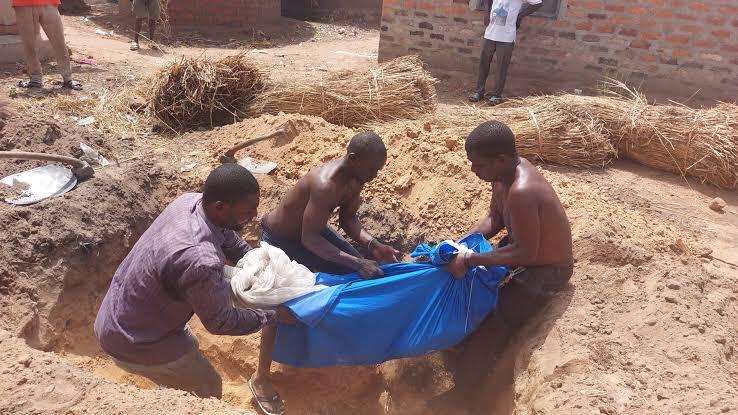
The latest attack began late Friday night, around 10 p.m., in Yelewata, a border town between Nasarawa and Benue states. Witnesses say the assailants came in two groups: one stormed the local police station, while the other moved house to house, breaking doors, shooting residents, and setting buildings ablaze. The violence lasted until the early hours of Saturday, leaving behind a trail of destruction and grief. Many victims were burnt alive, including children and the elderly, while others were shot as they tried to flee. The attackers also destroyed over 200 bags of rice worth around 25 million naira, compounding the community’s misery by wiping out their means of livelihood.
Eyewitness Accounts: Horror and Helplessness

Survivors’ stories paint a picture of utter chaos and terror. One resident recounted, “We were indoors because of the rain. Around 10:45 p.m., we heard gunshots at the police station. Then the second group began entering homes, breaking doors and shooting people. There was no help. We thought the government would protect us, but we were left alone.” Another local described losing 15 family members in a single night. Graphic videos shared by activist VeryDarkMan (VDM) showed the aftermath: charred remains, smouldering homes, and farmland reduced to ashes. “What my eyes have seen, my mouth cannot speak,” VDM said, capturing the horror in a way that words alone cannot.
The Numbers: Casualties and Losses
The official death toll varies depending on the source. Governor Hyacinth Alia confirmed 59 deaths in Yelewata alone, based on headcounts by security agencies and families. Amnesty International and other local sources put the number much higher, with estimates of over 100 killed in the latest wave of violence. Among the victims were military and civil defence personnel who tried to defend the community. Many others are still missing, and the number of injured continues to rise, with hospitals making urgent appeals for blood donations and medical supplies.
The Role of Activists: VeryDarkMan and the Power of Social Media
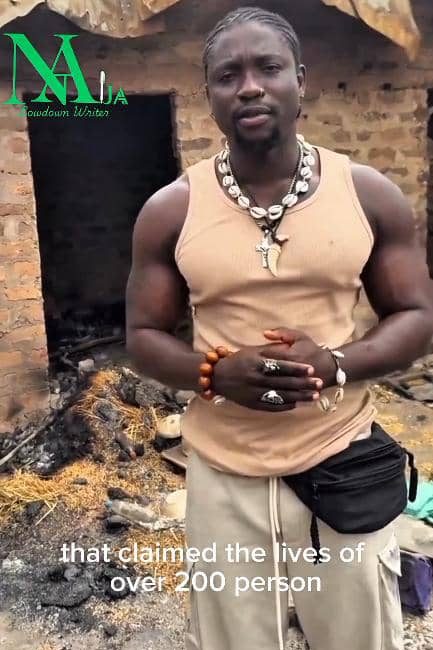
In the aftermath, social media influencer and activist VeryDarkMan (VDM) arrived at the scene before federal authorities. He documented the devastation, shared videos of the carnage, and gave voice to survivors’ pain. His posts quickly went viral, sparking outrage and drawing national attention to the crisis. VDM also called out President Tinubu, criticizing the government for focusing on international issues like Israel and Iran while failing to address the suffering in Benue. His activism galvanized local youths, who took to the streets in protest, demanding an end to the killings and greater government accountability.
On social media plaforms like X, Nigerian users are closely sharing videos and following the crime as it erupts, by adding, “Look at children, burnt to ashes, children! You have to declare war on these prepetrators, there’s no negotiating, you have to wipe them out. Don’t we have a fuvkinh government!” while others are fixated on calling out the President Tinubu, who seems to be silent amidst the chaos. Some said, “India lost over 200 people in a plane crash, their president was up and running visiting the scene. Benue lost over 200 people to a foreseeable circumstance, a repetitive occurrence, a massacre, yet the state government and the FG are mute. I doubt Nigeria was ever in God’s plan”.
Government Response: Security and Controversy
The federal government responded by deploying armed police and military personnel to the affected areas. However, instead of reassuring residents, the heavy security presence has led to reports of harassment and intimidation of protesting youths. Many locals feel abandoned, accusing both state and federal authorities of failing to protect them or provide meaningful support. The governor of Benue has promised investigations and pledged to seek justice, but trust in official promises is at an all-time low. As one protester put it, “If they cannot do it for us, they should quietly resign and tell us that this responsibility has become a burden to them”.
Police Confront Protesters: Teargas and Tension

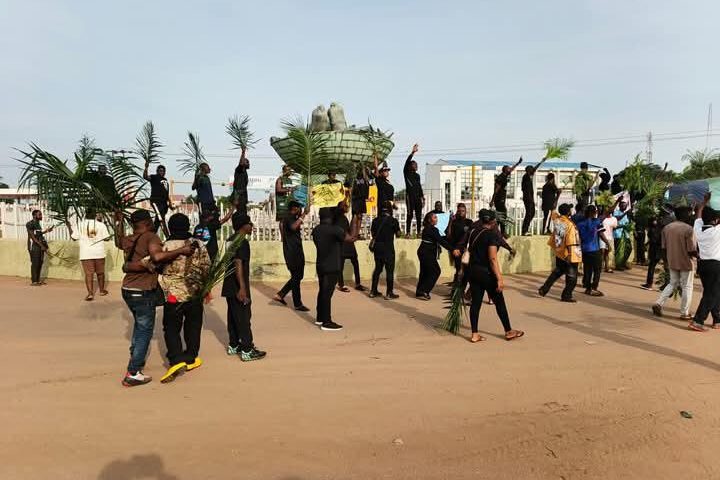

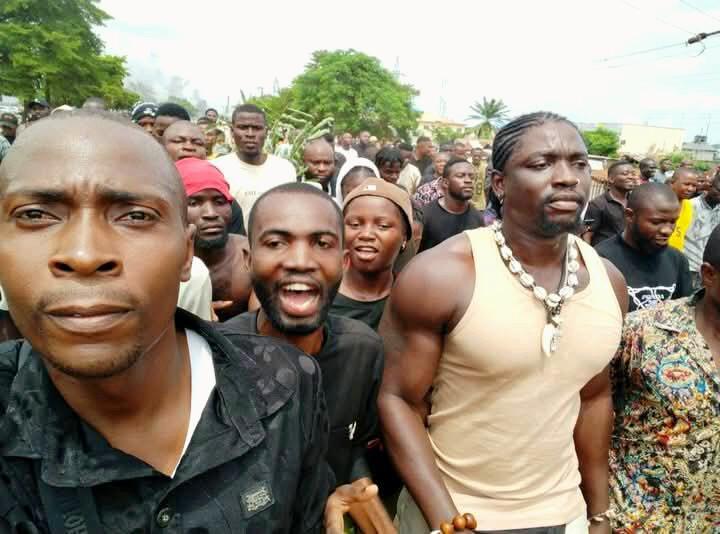
The streets of Makurdi became the stage for hundreds of protesting youths who gathered to demand justice and government action after the deadly attacks in Yelewata and Daudu communities. The protest, which began peacefully at the Wurukum roundabout, quickly escalated when police officers fired tear gas to disperse the crowd. According to police statements, the situation intensified when the Deputy Governor of Benue, Barr. John Ode tried to address the protesters but was rebuffed, with the police claiming some elements among the crowd attempted to attack him. In response, officers used what they described as “non-lethal crowd control measures, including smoke and water cannons, to prevent harm and safely evacuate the Deputy Governor from the scene.” The police have stated that, during this operation, “no casualties or injuries were recorded.” However, videos uploaded to social media platforms say otherwise.
While the initial protest in Makurdi did not result in injuries according to official police reports, the situation took a tragic turn in Apir, a community on the outskirts of Makurdi. There, after the protest was said to have been hijacked by hoodlums, a truck was stopped and set ablaze, with the driver trapped inside and burnt alive. This incident marked a deadly escalation, and the police have since arrested 14 suspects in connection with the violence. The authorities emphasized the importance of keeping protests peaceful, warning against allowing criminal elements to exploit such gatherings. The Benue State Police Command has promised continued investigations and prosecution of those involved in the violence.
Babatunde Gbadamosi and Shehu Sadiq’s Controversial Take
Babatunde Gbadamosi, a well-known activist and former Lagos governorship candidate, didn’t mince words about the Benue protests. Reacting to the wave of demonstrations by angry youths. He empahsised, “A stupid waste of energy. If you really want to stop the killings, get guns, poison, acid, bows and arrows. Start hunting them at night for one month. Don’t wait for Tinubu, he doesn’t care.” Also, Shehu Gazali Sadiq dismissed the protests as ineffective, bluntly stating that such peaceful actions would not move the government. He controversially suggested that only more forceful resistance could bring about real change, saying, “The protest in Benue state will achieve nothing. Tinubu is never moved by protests. You are dealing with a drug lord. He further added in his post shared on X, “The people of Benue should simply carry arms and defend themselves.
His comments have sparked heated debate online, with some agreeing that peaceful protests have achieved little so far, while others insist on the importance of nonviolent action. Gbadamosi’s stance reflects a growing frustration among many Nigerians who feel their voices are being ignored, but it also raises concerns about escalating tensions and the risk of violence if the situation continues to deteriorate.
National and Civil Society Response: Warnings and Calls for Restraint
Beyond individual voices, national coalitions and civil society groups have stepped in to urge caution and protect the rights of protesters. The National Coalition Against Mass Killings and Impunity, along with the Gani Fawehinmi Memorial Organisation, wrote an open letter to the Inspector-General of Police and other top security officials, warning against the use of force on peaceful protesters. They emphasized the importance of respecting human rights, stating that “any violence, brutality, arrest, enforced disappearances, as well as attempt to criminalise or militarise peaceful protest actions, will be resisted with all incidents documented and reported to legal bodies”. The coalition also reminded authorities of the historical significance of June 12 as a symbol of democratic resistance, urging security operatives to exercise restraint and accountability. Legal aid teams and human rights defenders are reportedly mobilized to provide support and ensure justice for any victims of state repression. This broader response highlights the national implications of the Benue crisis and the determination of many Nigerians to defend their right to protest, even in the face of daunting challenges.
Why the Government Is Struggling to End the Violence
The reasons for the government’s inability to stop the attacks are complex. The herder-farmer conflict is deeply rooted in issues of land use, ethnic tensions, and weak law enforcement. Many believe there is a lack of political will to confront the problem head-on, especially given the powerful interests involved. Insecurity in rural areas makes it difficult for security forces to respond quickly, and corruption or lack of coordination often hampers investigations and prosecutions. As a result, communities are left to fend for themselves, with each new attack deepening the sense of abandonment and despair.
Impact on Communities: Displacement and Despair
The repeated violence has displaced thousands, turning once-thriving villages into ghost towns. Many survivors have fled to IDP camps or sought refuge in neighboring towns, unable to return to their homes or farms. The destruction of crops and property means that even those who survive face hunger and poverty. The psychological toll is immense, with many struggling to process the trauma of losing loved ones and witnessing such brutality. As one resident put it, “Our people cannot go back to their farms, our people cannot go back to their ancestral homes… Where are we running to?”.
The Way Forward: Voices Calling for Change
Despite the devastation, there is a growing chorus of voices demanding change. Activists, religious leaders, and ordinary citizens are calling for an end to the killings and a renewed focus on security and justice. The Pope has condemned the violence, and international organizations like Amnesty International are urging the Nigerian government to act. The hope is that with sustained pressure and greater awareness, real solutions can be found to end the cycle of violence and restore peace to Benue and beyond.
 The Naija Lowdown Writer