Nigeria has been hit by a major diphtheria outbreak that began in late May 2022 and continues into 2025, marking the worst surge in decades. As of March 9, 2025, the Nigeria Centre for Disease Control (NCDC) recorded 42,642 suspected cases across 37 states and 350 LGAs, with 25,812 confirmed cases (including lab‑confirmed, epidemiologically linked, and clinically diagnosed) and 1,319 deaths, reflecting a 5.1% case fatality rate. The most affected states are Kano, Yobe, Katsina, Bauchi, Borno, Kaduna, and Jigawa account for over 96% of suspected cases, and children aged 1–14 years represent nearly 63% of confirmed infections. Alarmingly, only about 19–20% of confirmed cases had received full vaccination, highlighting a significant immunity gap.
The outbreak has drawn renewed attention in Lagos and other urban hubs. In epidemiological week 10 of 2025, 23 suspected cases were reported in Lagos (20) and Katsina (3), though none had been confirmed by that time. A tragic cluster emerged at King’s College, Lagos, where 14 students contracted the disease and one student died; emergency vaccination, improved school hygiene, and medical care were swiftly implemented.
Nigeria’s response, led by the NCDC with support from WHO, UNICEF, and state health bodies, involves surveillance and case management, rapid response teams, expansion of lab diagnostics, and widespread vaccination campaigns (both routine and reactive), coupled with antitoxin distribution and risk communication drives. Despite these efforts, the outbreak persists due to low vaccination coverage, limited laboratory capacity, logistical challenges in remote regions, and ongoing misinformation. Sustained progress will depend on improving immunization rates, early diagnosis, community education, and strengthening Nigeria’s public health infrastructure.
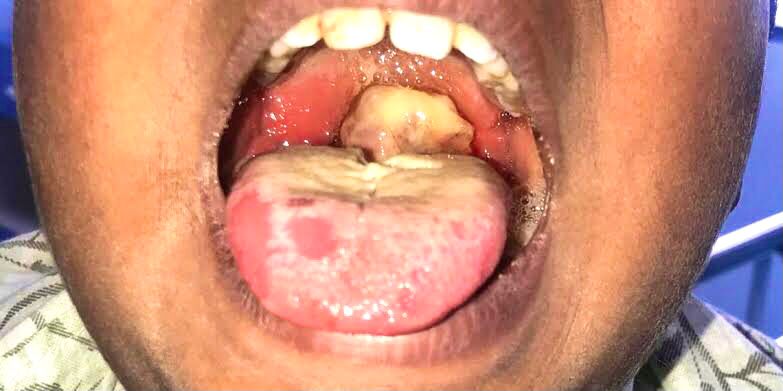
Symptoms: Diphtheria typically appear 2–5 days after exposure, often starting with mild symptoms like low-grade fever, sore throat, runny nose, cough, and red eyes. As it progresses, a hallmark thick, gray pseudomembrane may form over the tonsils, throat, nasal passages, or larynx sometimes extending deep into the airway, leading to breathing difficulties, “bull neck” swelling from enlarged lymph nodes, and potentially severe complications such as myocarditis, nerve damage, and kidney issues. Patients may also experience tachycardia, halitosis (bad breath), anxiety, and in serious cases, airway obstruction that could require urgent airway management like tracheostomy.
Prevention: Prevention hinges on vaccination, especially during childhood, using DTP/DTaP vaccines (including boosters in adolescence and adulthood) which are over 90% effective. Basic hygiene practices like handwashing, respiratory etiquette, and masking help curb spread in crowded areas like schools.
Need for medical attention: If someone is exposed or diagnosed, early treatment is critical: administer diphtheria antitoxin to neutralize the toxin, and start antibiotics such as erythromycin or penicillin to eliminate the bacteria and limit transmission. Severe cases may need hospital care with airway support, monitoring for heart or nerve complications, and isolation of contacts.
 The Naija Lowdown Writer