1. Writing Down Phone Numbers
Life in Nigeria changes quietly most of the time. There’s rarely an announcement when habits fade, routines shift, or small everyday things disappear. One day you just realise something you once did without thinking has slipped out of your life.
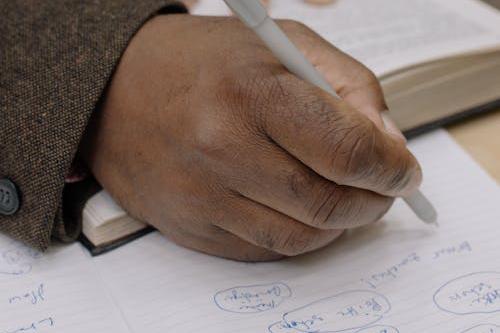
There was a time when most Nigerians could recite at least five phone numbers from memory or kept them carefully written in notebooks, diaries, or even folded pieces of paper inside wallets. Before smartphones became widespread, losing a phone didn’t mean losing contacts because numbers lived somewhere physical. Today, contacts are synced automatically, and very few people can recall even their closest friend’s number without checking their phone. Many people only notice it during emergencies or when a phone battery dies and they suddenly feel stranded without access to stored contacts.
2. Printing and Developing Photographs

Photo studios used to be part of everyday Nigerian life, especially for birthdays, weddings, graduations, and passport photographs. People waited days or weeks to collect printed photos, flipping through albums at home with family members. While people now take more photos than ever, they rarely print them. Many images stay on phones or cloud storage, unseen after posting online. The quiet disappearance of printed photographs is a change many Nigerians only realise when old albums from the 90s or early 2000s resurface.
3. Greeting Neighbours Properly
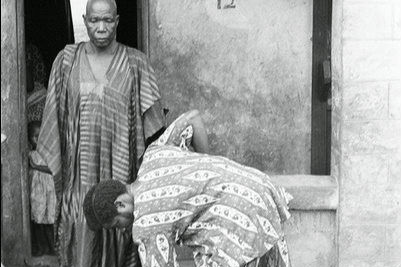
Greeting has always been a strong part of Nigerian culture, especially in close-knit communities and shared compounds. The adults especially are obsessed about this; if you are a young man, then you prostrate but if you are a woman, you kneel. Saying good morning, asking about family, or exchanging brief conversations helped build familiarity and trust. Many Nigerians now move in and out of their homes with earphones on, eyes fixed on their phones, or rushing to work. Over time, greetings became shorter or disappeared altogether. Some people only notice the change when they realise they don’t even know the names of people living next door.
4. Watching TV at a Fixed Time
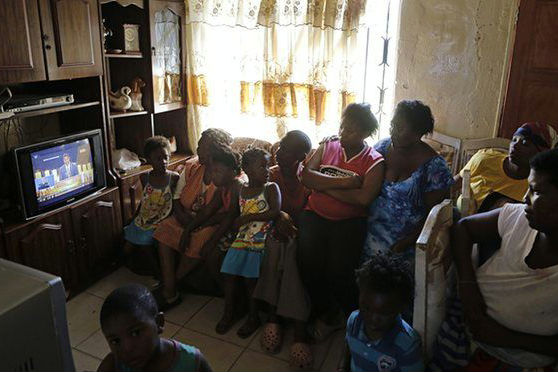
There was a period when Nigerian families planned evenings around television schedules. News at nine, soap operas, football matches, and weekend movies were shared experiences. Today, everyone watches different content on personal devices at different times. The television may still be on, but the ritual of sitting together for a specific program is slowly faded. This change happened gradually as smartphones, YouTube, and streaming platforms became common. Many Nigerians only notice it during holidays or power outages, when shared viewing moments suddenly feel unfamiliar compared to how normal they once were.
5. Knocking on Friends’ Doors Unannounced

In many Nigerian neighborhoods, especially in the past, it was normal to visit friends or relatives without calling ahead. People showed up, knocked, and were welcomed in. Turning up unannounced is often seen as inconvenient or intrusive. People prefer to confirm availability before coming over. This shift reflects broader changes in personal boundaries and time management. The habit didn’t disappear overnight, it slowly faded as phones became central to coordination. Some Nigerians only realise it’s gone when they remember childhood days of freely moving between houses without prior notice.
6. Memorising Directions Instead of Using Maps

Asking for directions used to be a regular part of daily life in Nigerian cities and towns. People memorised landmarks, junctions, and street names, often repeating directions several times to avoid getting lost. Many Nigerians now rely entirely on navigation apps to move around unfamiliar areas. This dependence feels normal until internet service fails or batteries run low.
7. Reading Newspapers from Cover to Cover

Print newspapers were once a daily ritual for many Nigerians. People read them in buses, offices, and at home, often finishing multiple pages in one sitting. Today, many people consume headlines through social media links or news apps, rarely reading full articles. This change happened gradually as smartphones became cheaper and internet access improved. While information is now faster and more accessible, the slow habit of sitting down to read an entire paper has largely disappeared. Many Nigerians only notice this shift when they encounter old newspapers stacked in offices or family homes.
8. Keeping Emergency Numbers on Paper

It used to be common to see emergency phone numbers written near landlines or stored in wallets and notebooks. Numbers for hospitals, relatives, or local contacts were kept physically, just in case. Contacts are now saved digitally, with few people maintaining physical copies. This change feels harmless until phones are lost, stolen, or damaged. Many Nigerians only realise the importance of written emergency contacts when they suddenly need information they can no longer access without a device.
9. Sending Handwritten Notes and Letters

Before instant messaging, handwritten notes and letters were a meaningful way to communicate. People wrote letters to friends, family, or partners, sometimes waiting weeks for replies. Communication research highlights how digital messaging has replaced written correspondence due to speed and convenience. While texting is efficient, it lacks the personal effort associated with handwriting. The habit of writing letters didn’t end abruptly, it slowly became unnecessary. Many Nigerians now associate handwritten notes with special occasions only. The disappearance is often noticed when people rediscover old letters and realise how rare that form of communication has become.
10. Saving Important Documents in Physical Folders

Physical folders once held birth certificates, receipts, certificates, and important letters in many Nigerian homes. People carefully organised papers and knew exactly where to find them. With digital storage and scanning apps, studies show a shift toward electronic document keeping. Many documents are now saved on phones, email accounts, or cloud services. This change feels convenient, but it also increases reliance on devices and passwords. The habit of maintaining physical document folders faded quietly. Nigerians often only notice the shift when older relatives still keep neatly arranged files, while younger people struggle to locate digital copies spread across multiple platforms.
11. Asking Around Before Buying Something

Buying things in Nigeria used to involve plenty of conversation. Before making a purchase, people asked friends, neighbours, or family members where to get better prices or which seller was trustworthy. Markets thrived on shared information, and word of mouth helped people avoid being overcharged. The habit didn’t disappear suddenly; it faded as phones made answers quicker. Many Nigerians only notice the change when they realise they no longer ask anyone before buying something unfamiliar.
12. Waiting Patiently for Replies

There was a time when sending a message meant waiting calmly for a response. Letters took days, and even SMS replies were not instant. Today, delays of minutes or hours can feel uncomfortable or even stressful. Nigerians now refresh chats repeatedly, wondering why someone hasn’t replied yet. This shift happened quietly as real-time messaging became normal. Many only realise this when network issues delay messages and they feel unusually unsettled by something that once felt completely normal.
13. Fixing Things Instead of Replacing Them

Repair culture was once deeply rooted in Nigerian life. From radios to shoes and kitchen items, things were fixed repeatedly before being replaced. Many items are now replaced rather than repaired because fixing feels less convenient or cost-effective, and social media has made it feel like poverty. The change wasn’t announced; it crept in slowly as repair skills became less common. Nigerians often notice this shift when they remember local repairmen who were once everywhere but are now harder to find, replaced by shops selling new replacements instead.
14. Carrying Cash for Everyday Transactions
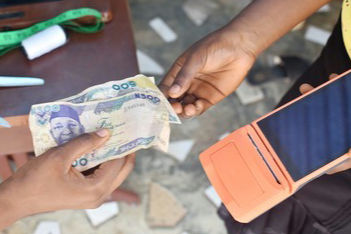
Cash used to be essential for daily life in Nigeria. People carried physical money for transport, food, and small purchases. Financial inclusion reports show a steady rise in digital banking, transfers, and POS payments. Many Nigerians now leave home with little or no cash, relying on mobile banking instead. This transition happened gradually as digital payments became easier and more accepted. The habit of counting cash before leaving home quietly faded. Some only notice it during network failures or POS downtime, when the absence of physical money suddenly becomes a problem.
15. Knowing Everyone in the Neighbourhood

Neighbourhoods in Nigeria once felt like extended families. People knew who lived where, whose child belonged to whom, and who to call in emergencies. This shift happened slowly as cities expanded and lifestyles became more private. Many Nigerians only realise the difference when they return to childhood areas and notice how unfamiliar faces now fill spaces that once felt deeply connected.
16. Writing Things Down to Remember Them

Notebooks once held reminders, plans, shopping lists, and important thoughts. Writing things down helped people remember and reflect. Phones now store tasks, alarms, and schedules. While convenient, this shift reduced the habit of physically writing to remember. The change happened quietly as apps took over daily organisation. Nigerians often notice this when they struggle to recall information without checking their phones, realising they no longer rely on memory or handwritten notes the way they once did.
17. Sitting Idle Without Feeling Guilty

Doing nothing used to be normal. Sitting outside, staring into space, or resting without a clear purpose was part of everyday life. Many Nigerians feel pressure to always be productive, online, or busy. Quiet moments are quickly filled with scrolling or multitasking. This change crept in as phones became constant companions. People often only notice it when they try to rest and feel uneasy, realising that being idle now feels uncomfortable in a way it never used to.
These small changes didn’t happen overnight, and none of them came with announcements. They simply blended into daily life until they felt normal. Looking back at them isn’t about rejecting progress, but about noticing how quietly habits shape who we become over time.
Like this story? Add your thoughts in the comments! Thank you.
 The Naija Lowdown Writer